
South Carolina Residents Help Determine Future of Heartbeat Bill

Updated: Sep 18, 2019
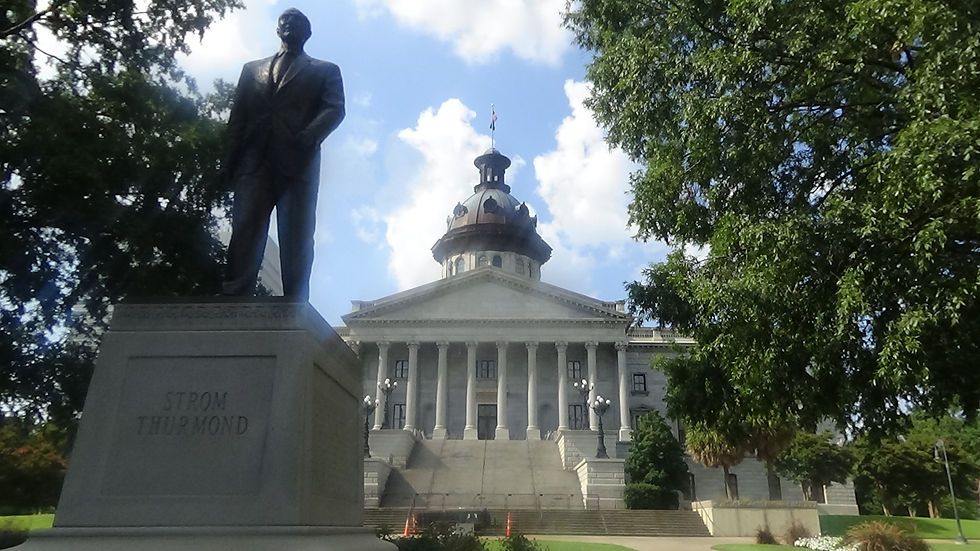
Residents of South Carolina made their way to Columbia on September 10, to take part in a public hearing on a controversial abortion bill. The bill, H.3020, has already been approved in the House and will make its way to the State Senate when session resumes in 2020.
The South Carolina version of the heartbeat bill is similar to bills that were passed in Georgia and Alabama, banning abortion once a fetal heartbeat is detected. Unlike the Alabama bill, however, H.3020 does make an exception in the event of rape or incest, but only if the attending physician believes the rape took place.
A rape victim who spoke during the hearing was still against the heartbeat bill despite its exception for instances like hers.
“I did not report my rape, the men who did it were still in my apartment the entire weekend, so there was no rape kit or police report. How would I have convinced my doctor that this even happened,” said the victim.
Another moment during the testimonies that stood out occurred late in the afternoon session, when Sen. Margie Bright-Williams became visibly frustrated with some of the comments from those in favor of the bill.
“It is very difficult for me, as a women, to sit here and have a bunch of men tell me about my body or other women’s bodies…,” -Sen. Bright-Williams.
Her comments not only drew applause from the crowd but also highlighted one of the key points of opposition to the bill, that being bodily autonomy. The pro-choice movement centers around a woman’s right to choose what happens to her body, which this bill severely restricts. Some women may not even know they are pregnant prior to being able to detect a fetal heartbeat, which occurs around six weeks.
Another controversial aspect of the bill is centered around the heartbeat itself being used as a determining factor as it relates to the “life” of the fetus. Several individuals argued that life begins whenever the fetus has a heartbeat and that performing an abortion at this point would equate to murder. Science does not provide much support for these claims and some theories have suggested that brain activity may be a better indicator of life. The brain does not fully develop for a fetus until the end of the second trimester or 24 weeks.
Religious beliefs regarding abortion also took center stage throughout the hearing with several witnesses claiming their religion or God made it clear that abortion was immoral. Several local and regional pastors gave testimony, explaining how God viewed abortion and how the Bible determined that life was a “gift” from God that started with conception.
A recent poll by the pew research center, shows that 63 percent of Evangelical Protestants believe that abortion should be illegal in most situations. Belief in God was also surveyed and found that 79 percent of the people who had an absolute certain belief in God were against abortion. Not surprisingly, 73 percent of unaffiliated or religious “nones” believe that abortion should be legal in most situations.
Many pro-choice advocates were left wondering whether their testimony could overcome the religious majority during the hearing. Senate members could move to vote on the bill in January when the legislature session resumes, however, Senate Republicans are still unsure if they have enough votes to get the heartbeat bill to Governor McMaster.
In either case, the heartbeat bill will almost certainly meet the same fate as other bills like it, with lawsuits that will eventually lead to a showdown with the Supreme Court. Despite this, brave citizens of South Carolina gladly took the opportunity to tell their stories and make it known where they stand.
For more information on how you can take action in the fight against abortion bans visit the NARAL website here. And for more news and information about the secular community follow us on Twitter @SecularShepherd.

Comments